Audit Ready at Any Time: Building a Compliance Culture
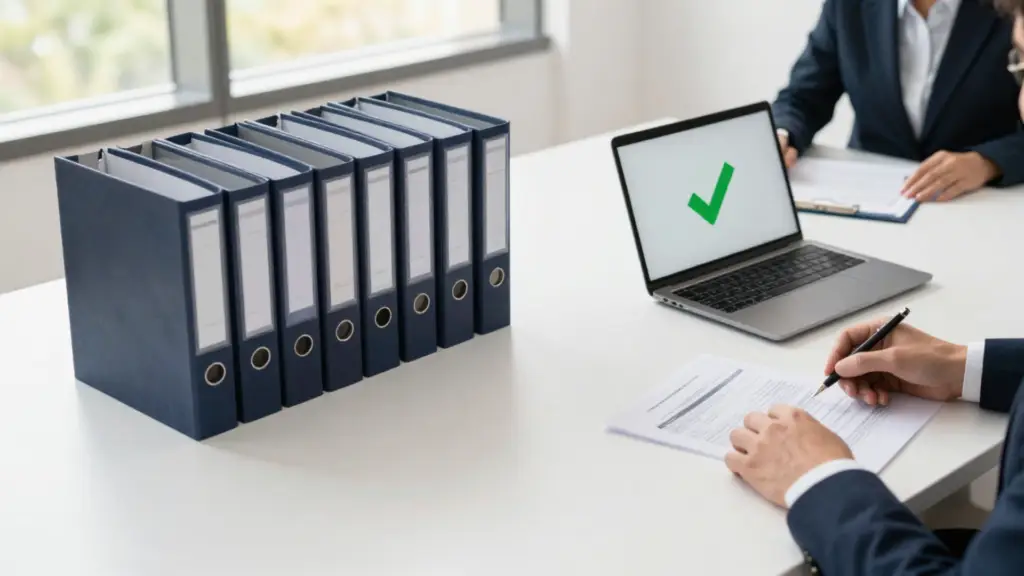
Audit Ready at Any Time is becoming increasingly important for organizations operating in regulated industries.
If you work in a regulated industry, you know the feeling. An audit is announced. Documentation is requested.
Teams begin gathering records, checking versions, and tracing decisions made months, or sometimes years, earlier.
The challenge is rarely the audit itself. The challenge is finding clear, consistent evidence that proves what happened, when it happened, and why.
For many organizations, audit readiness is still treated as something to prepare for. A process that begins when an auditor arrives or a regulatory review is scheduled.
But digital systems are changing that mindset.
Increasingly, companies are moving away from periodic audit preparation and toward continuous compliance, making it possible to remain audit ready at any time rather than only before an inspection
This shift affects more than processes. It changes compliance culture.
What Does It Mean to Be Audit Ready?
Being audit ready is about more than having documents stored somewhere in the organization.
It means being able to quickly demonstrate how requirements were defined, how decisions were made, who approved changes, and how compliance was verified throughout the product lifecycle.
In practice, auditors often ask questions such as:
- Where did this requirement originate?
- Why was this change approved?
- Which risks were identified?
- How was compliance verified?
- Can the complete history of a decision be traced?
The ability to answer these questions depends on one thing: traceability.
For organizations operating under standards such as ISO 13485, maintaining traceability and documented evidence is essential for demonstrating compliance during audits.
Without it, even organizations with strong processes can struggle to demonstrate compliance effectively.
The Problem with Traditional Compliance Practices
Many organizations still manage compliance through a combination of spreadsheets, email threads, shared drives, and disconnected systems.
While these tools may support day-to-day work, they often create Compliance Chaos.
Information becomes fragmented. Documentation exists in multiple versions. Approvals are recorded in one place, while supporting evidence is stored somewhere else.
As products become more complex and regulatory expectations continue to grow, these challenges become increasingly difficult to manage.
The result is often a reactive compliance culture where teams spend more time preparing for audits than improving the processes being audited.
How Digital Systems Change the Equation
Digital systems create a connected environment where information remains linked throughout the product lifecycle.
Requirements can be connected to risks, risks to tests, tests to approvals, and approvals to changes. Instead of collecting evidence before an audit, evidence is created continuously as work is being performed.
This creates several advantages:
- Faster access to audit evidence
- Improved traceability
- Greater visibility into changes
- Reduced manual documentation efforts
- More consistent compliance processes
As a result, compliance becomes part of everyday operations rather than a separate activity performed before an audit. Organizations can quickly demonstrate change history, approval records, risk assessments, verification activities, and compliance evidence whenever needed.
The impact extends beyond efficiency. When information is easy to find, approvals are transparent, and traceability is built into workflows, compliance becomes part of the natural way work gets done. Teams spend less time searching for records and more time improving processes.
The conversation shifts from:
Can we find the documentation? to: Can we trust the process?
That shift is often where real compliance maturity begins.
For many organizations, a Quality Management System (QMS) plays a key role in enabling that maturity. By connecting documentation, approvals, risk assessments, and change records, a QMS helps create a reliable and traceable source of evidence throughout the organization.
Rather than scrambling to collect information before an audit, teams can access the records they need as part of their everyday workflows. This improves visibility, strengthens governance, and makes it easier to demonstrate compliance whenever evidence is requested.
Audit Ready at Any Time
The most mature organizations no longer view audit readiness as a project.
They view it as a capability.
Digital systems help create an environment where compliance evidence is generated naturally through everyday work, making it possible to respond confidently to audits at any time.
Organizations that achieve this level of readiness often benefit from:
- Reduced preparation time before audits
- Faster access to compliance evidence
- Stronger process consistency
- Better traceability across teams
- Greater confidence in regulatory inspections
The goal is not simply to pass inspections.
The goal is to build a culture where quality, traceability, and compliance are embedded into the way products are developed and managed.
When that happens, audit readiness stops being an event. It becomes a natural outcome of the way the organization operates every day.
Published by Highstage